Author: <span>steelgriffin1</span>

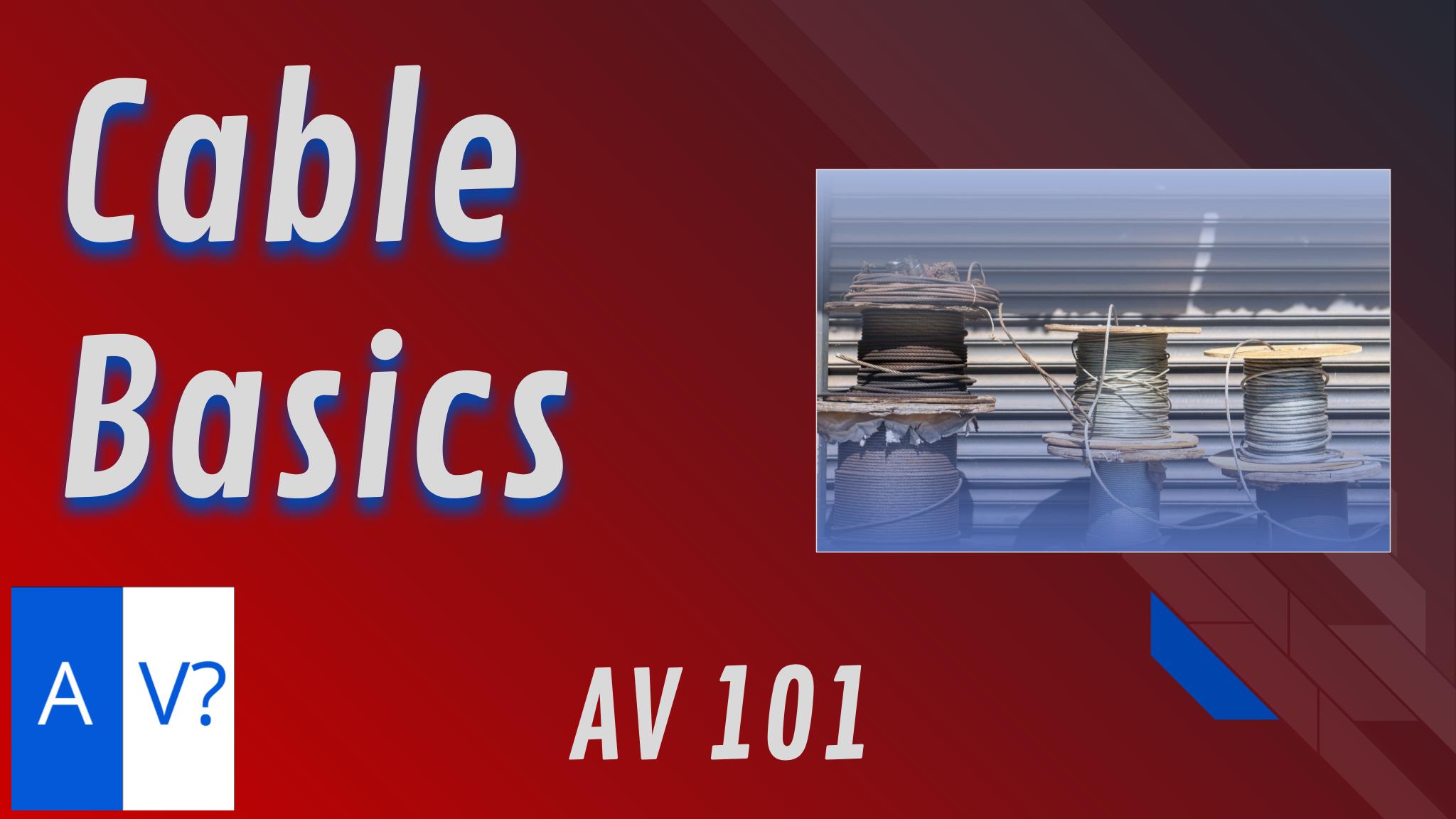
AV 101 – Cable Basics

Fiber optic, copper, analog, and digital. These all describe different types of cables. Most cables are copper and now digital. That means that they use copper wire to conduct electrical signals over a digital connection using 1’s and 0’s by pulsing off and on at ultra fast speeds.  Analog cable …

AV 101 – Cameras

Cameras have been around for hundreds of years. There are many different styles and brands of cameras. There are analog cameras and digital cameras. In this context those terms refer to the way an image is captured. Analog cameras use film, digital cameras use memory cards. There are still cameras …

AV 101 – Lighting

Lighting is the next most common part of the AV equation. Old school theaters used footlights at the edge of the stage and chandeliers to light the performers so the audience could see them. This involved actual fire which definitely caused some problems in the past. Today, LED lighting has …

AV 101 – Video

The second part of audio-visual is where things get even more complicated. Visual covers a few sides of the industry; primarily video but other forms of visuals include lighting, image magnification (camera systems), and stage design (backdrops and decor). Visuals have been a mainstay in meetings since long before sound …

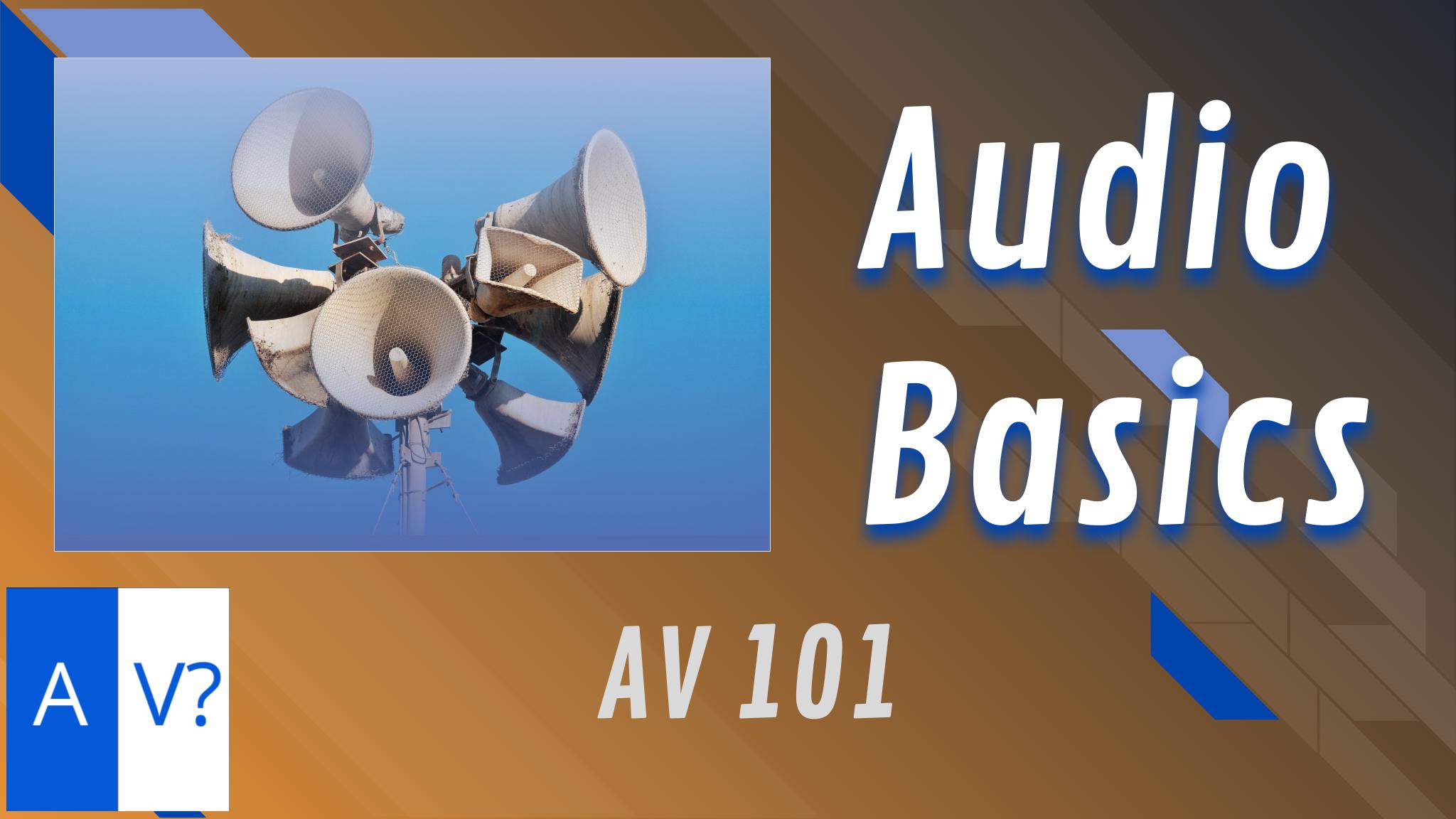
AV 101 – Audio Basics

The AV world starts with audio, literally – audio-visual. In this context, it usually refers to sound reinforcement for public address (PA systems) – amplifying a sound such as your voice to reach larger crowds. In ancient times, structures like the Greek amphitheaters naturally amplified sound.  Before the modern electronic …